Introduction
If you’ve ever searched for “root canal near me,” chances are you’re dealing with persistent tooth pain or sensitivity that’s starting to interfere with your daily life. Root canal therapy has long been misunderstood, often associated with discomfort or fear, but in reality, it’s a highly effective and pain-free procedure that can save your natural tooth. In this blog, we’ll demystify what happens during a root canal treatment, what you can expect before and after, and how to find the best dental clinic to ensure a stress-free experience.
Finding a trusted dental clinic for your root canal near me is crucial to getting the right treatment and results. In this guide, we’ll explore every stage of a root canal—from the initial diagnosis to post-treatment care—so you’ll know exactly what to expect. Whether you’re preparing for your first treatment or just gathering information, Kosmoss Dental’s expert team is here to make your experience smooth and comfortable. Visit Kosmoss Dental to schedule your consultation today.
Things to Know Before Getting a Root Canal
Understanding What a Root Canal Is
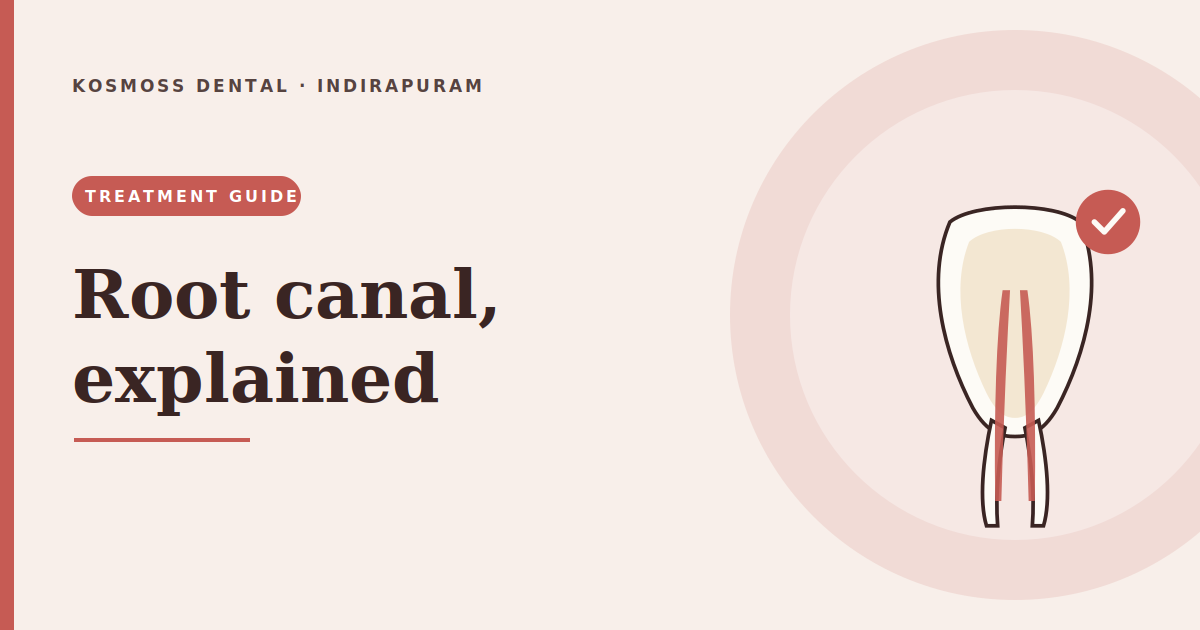
A root canal is a dental procedure designed to remove infected or damaged pulp inside your tooth, relieving pain while preserving your natural tooth structure. Contrary to common belief, modern root canal treatments are virtually painless, thanks to advanced anesthesia and technology. Understanding how this treatment works can ease anxiety and help you make informed decisions about your oral health.
In simple terms, the root canal procedure involves cleaning out the infection, disinfecting the canals, and sealing them with a filling material. This helps prevent future infection and restores normal function. By getting a root canal near me, patients can avoid tooth extraction and maintain a natural smile.
Signs You Might Need a Root Canal
Severe toothache, prolonged sensitivity to hot or cold, swelling around the gums, or dark discoloration of a tooth are common signs that you might need a root canal. If you experience these symptoms, it’s best to visit a dental professional immediately. Ignoring them can lead to abscesses or even tooth loss.
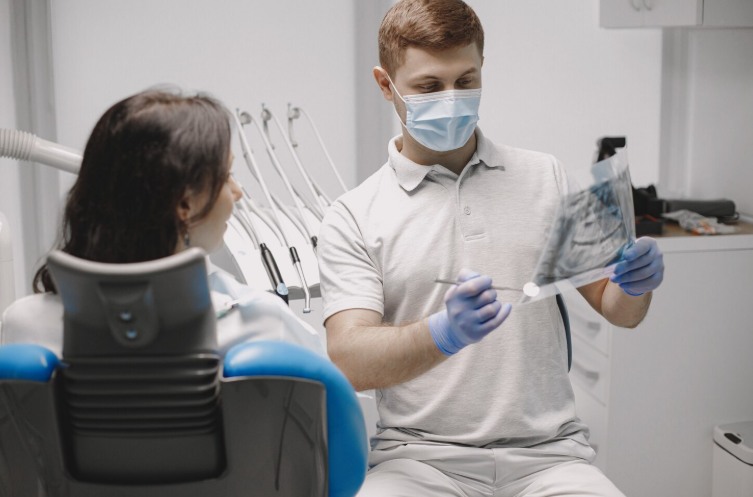
A local dentist experienced in endodontic treatments can examine your symptoms and perform diagnostic tests like X-rays to determine whether a root canal is necessary. At Kosmoss Dental, our specialists carefully evaluate every case to ensure you receive the best and least invasive treatment possible.
Importance of Early Diagnosis
Early diagnosis can make a significant difference in both the comfort and outcome of your root canal. Detecting the infection early means less damage to the tooth structure and a quicker recovery. Dentists often recommend routine check-ups to identify potential issues before they become painful emergencies.
Choosing a reliable clinic that offers quick and accurate diagnostics—like Kosmoss Dental’s advanced imaging technology—ensures that your root canal treatment is planned precisely and efficiently. Early detection can often mean simpler procedures and lower costs.
Common Myths About Root Canals
One of the biggest myths about root canals is that they’re painful. In reality, root canal therapy relieves pain caused by infection rather than causing it. Another misconception is that tooth extraction is better, but saving your natural tooth is almost always the healthier choice.
Modern endodontic treatments are safe, quick, and reliable. With professional care from clinics like Kosmoss Dental, you can expect a virtually pain-free experience, improved oral health, and long-lasting results.
Choosing the Right Dentist
Selecting the right dentist for your root canal near me can make all the difference in your comfort and outcome. Look for clinics with experienced endodontists, modern technology, and transparent pricing. Reading patient reviews and checking credentials can also help in your decision-making process.
At Kosmoss Dental, our highly trained team combines experience, precision, and empathy to provide exceptional dental care. We ensure that every patient understands their treatment plan and feels confident before the procedure begins.
Step-by-Step Root Canal Treatment Process
Step 1: Initial Consultation and Diagnosis
The process begins with a comprehensive consultation where your dentist examines your tooth and reviews your symptoms. X-rays are used to assess the extent of infection or decay within the tooth pulp. Accurate diagnosis is essential for planning a successful root canal treatment.
During your visit to Kosmoss Dental, our specialists will explain every step of the procedure, helping you understand what’s involved and what to expect during and after treatment.
Step 2: Local Anesthesia and Preparation
Before the treatment begins, the dentist administers local anesthesia to numb the affected area completely. This ensures you experience no pain during the procedure. Once the area is numb, a small protective sheet called a dental dam is placed over the tooth to keep it clean and dry.
This preparation step helps isolate the tooth and prevents saliva contamination. Modern anesthesia techniques make this step completely comfortable, allowing patients to relax throughout the treatment.
Step 3: Removing the Infected Pulp
The dentist then creates a small opening in the tooth crown to access the infected pulp. Using precision instruments, the damaged tissue and bacteria are carefully removed from the root canals. This step eliminates infection and prevents it from spreading to surrounding areas.
At Kosmoss Dental, we use advanced rotary endodontic tools to ensure complete removal of infected tissue. This not only improves efficiency but also minimizes post-treatment discomfort.
Step 4: Cleaning and Disinfecting the Canals
After the infected tissue is removed, the dentist cleans and shapes the canals using specialized instruments. Antibacterial solutions are used to disinfect the inner surfaces thoroughly. This step is vital for preventing reinfection and ensuring long-term success.
Our dental experts at Kosmoss Dental follow strict sterilization protocols to guarantee safety and hygiene at every stage. Clean canals are the foundation of a successful root canal treatment.
Step 5: Filling and Sealing the Tooth
Once the canals are clean and dry, they are filled with a biocompatible material called gutta-percha. This seals the tooth and prevents future bacterial invasion. The dentist then restores the opening with a temporary or permanent filling.
In most cases, a dental crown is recommended for added protection and durability. Kosmoss Dental offers a variety of crown options designed to match your natural tooth color and appearance perfectly.
Post-Treatment Care and Recovery Tips
Managing Discomfort After Treatment
It’s normal to experience mild soreness or tenderness after a root canal, which typically subsides within a few days. Over-the-counter pain relievers are often sufficient to manage any discomfort. Following your dentist’s care instructions will ensure a smooth recovery.
At Kosmoss Dental, we provide detailed aftercare guidance to help patients heal quickly and comfortably. Most individuals can resume normal activities within 24 hours.
Diet and Eating Guidelines
After your root canal, avoid hard or sticky foods for a few days to allow the treated tooth to stabilize. Soft foods like yogurt, soups, and mashed vegetables are ideal during this time. It’s also important to chew on the opposite side of your mouth to prevent irritation.
Once your permanent crown is placed, you can gradually return to your normal diet. Kosmoss Dental’s team ensures your restored tooth functions just like a natural one.
Oral Hygiene Practices
Maintaining excellent oral hygiene is crucial for long-term results. Continue brushing twice daily and flossing carefully around the treated area. Antibacterial mouthwash can also help keep your mouth free of harmful bacteria.
Regular dental check-ups and cleanings at Kosmoss Dental will help monitor the treated tooth and overall oral health. Preventive care is key to avoiding future dental issues.
Signs of Potential Complications
While root canal treatments are highly successful, rare complications like persistent pain or swelling can occur. If you notice these symptoms, contact your dentist immediately for an evaluation. Early intervention can resolve most issues quickly.
At Kosmoss Dental, our priority is patient safety. We provide follow-up appointments to ensure that your recovery is complete and that your smile remains healthy and functional.
Long-Term Benefits of Root Canal Therapy
Root canal therapy offers numerous benefits beyond pain relief—it preserves your natural tooth, maintains jawbone structure, and prevents neighboring teeth from shifting. The restored tooth can last a lifetime with proper care.
Choosing a trusted clinic for your root canal near me ensures both immediate relief and long-term oral health. With advanced technology and experienced professionals, Kosmoss Dental provides treatments designed for lasting comfort and confidence.
Why Choose Kosmoss Dental for Your Root Canal?
Kosmoss Dental stands out as one of the most trusted dental clinics for root canal treatments in your area. With state-of-the-art technology, experienced endodontists, and a patient-centered approach, the clinic ensures every procedure is painless, efficient, and successful. Their compassionate care and personalized treatment plans have earned them a stellar reputation among patients.
From consultation to post-treatment follow-up, Kosmoss Dental focuses on comfort, transparency, and long-term results. Whether you need a routine dental check-up or specialized endodontic care, the clinic offers comprehensive dental solutions to keep your smile bright and healthy. Book your appointment at Kosmoss Dental today to experience exceptional dental care.
Conclusion
Understanding what goes into a root canal treatment can make the experience much less intimidating. From diagnosis and cleaning to filling and recovery, each step is designed to relieve pain and preserve your natural tooth. With expert guidance, advanced tools, and compassionate care, the process becomes straightforward and stress-free.
If you’re looking for a professional and pain-free root canal near me, Kosmoss Dental is your go-to clinic. Their expert team combines technology and experience to deliver superior results in a comfortable environment. Don’t let tooth pain affect your quality of life—schedule your root canal consultation at Kosmoss Dental today and take the first step toward a healthier, pain-free smile.